Thomas Müntzer, Date of Birth, Place of Birth, Date of Death
TweetThomas Müntzer
early Reformation-era German pastor who was a rebel leader during the German Peasants' War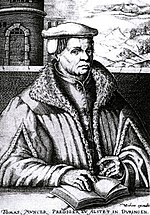

 Date of Birth:
  Place of Birth: Stolberg, Saxony-Anhalt, Germany
About Thomas Müntzer
- Thomas Müntzer (c.?1489 – 1525) was a German preacher and radical theologian of the early Reformation whose opposition to both Martin Luther and the Roman Catholic Church led to his open defiance of late-feudal authority in central Germany.
- Müntzer was foremost amongst those reformers who took issue with Luther's compromises with feudal authority.
- He became a leader of the German peasant and plebeian uprising of 1525 commonly known as the German Peasants' War.
- He was captured after the Battle of Frankenhausen, and was tortured and executed. Few other figures of the German Reformation raised as much controversy as Müntzer, which continues to this day.
- A complex and unique figure in history, he is now regarded as a significant player in the early years of the German Reformation and also in the history of European revolutionaries.
- Almost all modern studies of Müntzer stress the necessity of understanding his revolutionary actions as a consequence of his theology: Müntzer believed that the end of the world was imminent and that it was the task of the true believers to aid God in ushering in a new era of history.
- Within the history of the Reformation, his contribution, especially in liturgy and biblical exegesis, was of substance, but remains undervalued.
Read more at Wikipedia
See Also
- Famous People's Birthdays on 01 January, Germany
- Famous People's Birthdays in January, Germany
- Famous priest's Birthdays on 01 January, Germany
- Famous priest's Birthdays in January, Germany
- Famous Protestant reformer's Birthdays on 01 January, Germany
- Famous Protestant reformer's Birthdays in January, Germany
- Famous theologian's Birthdays on 01 January, Germany
- Famous theologian's Birthdays in January, Germany
- Famous revolutionary's Birthdays on 01 January, Germany
- Famous revolutionary's Birthdays in January, Germany