Mladen Stojanović, Date of Birth, Place of Birth, Date of Death
TweetMladen Stojanović
Serbian partisan
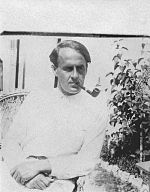

 Date of Birth: 07-Apr-1896
 Place of Birth: Prijedor, Republika Srpska, Bosnia and Herzegovina
Date of Death: 02-Apr-1942
Profession: physician
Zodiac Sign: Aries 
About Mladen Stojanović
- Mladen Stojanovic (Serbian Cyrillic: ?????? ??????????; 7 April 1896 – 1 April 1942) was a Bosnian Serb physician who led a detachment of Partisans on and around Mount Kozara in northwestern Bosnia during World War II in Yugoslavia.
- He was posthumously bestowed the Order of the People's Hero. At the age of fifteen, Stojanovic became an activist in a group of student organizations called Young Bosnia, which strongly opposed Austria-Hungary's occupation of Bosnia-Herzegovina.
- In 1912, Stojanovic was inducted into Narodna Odbrana, an association founded in Serbia with the goal of organizing guerrilla resistance to Bosnia-Herzegovina's annexation by Austria-Hungary.
- Stojanovic was arrested by the Austro-Hungarian authorities in July 1914, and although he was sentenced to 16 years' imprisonment, he was pardoned in 1917.
- He graduated as a Doctor of Medicine after World War I, and in 1929, opened a private practice in the town of Prijedor.
- In September 1940, he became a member of the Communist Party of Yugoslavia (KPJ). Following the invasion of Yugoslavia by the Axis powers and their creation of the Independent State of Croatia, Stojanovic was arrested at the behest of the Ustaše, Croatia's fascist ruling party.
- He escaped prison and went to Kozara, where he joined fellow communists that had escaped from Prijedor.
- The KPJ chose Stojanovic to lead the communist uprising in Prijedor.
- The uprising began on 30 July 1941, although neither Stojanovic nor any of the other communists had much control over it at this stage.
- The Serb villagers of the district seized control of a number of villages and threatened Prijedor, which was defended by the Germans, Ustaše, and Croatian Home Guards.
- In August 1941, Stojanovic was recognised as the principal leader of the Kozara insurgents, who were then organised into Partisan military units.
- Under Stojanovic's direction, the Kozara Partisans began attacking the fascists from the end of September 1941.
- In early November 1941, all Partisan units in Kozara were merged into the 2nd Krajina National Liberation Partisan Detachment, commanded by Stojanovic.
- By the end of the year, most of Kozara—covering about 2,500 square kilometres (970 sq mi)—was controlled by Stojanovic's detachment. On 30 December 1941, Stojanovic arrived in the Grmec district, which was in the zone of responsibility of the 1st Krajina National Liberation Partisan Detachment.
- The Italian troops operating in that area portrayed themselves as protectors of the Serb people.
- Stojanovic's task was to counter such propaganda and mobilise the Partisans of the 1st Krajina Detachment to fight against the Italians.
- He stayed in the area until mid-February 1942, by which time the Partisan leadership of Bosnia-Herzegovina considered he had completed his tasks successfully.
- At the end of February 1942, Stojanovic was appointed chief of staff of the Operational Headquarters for Bosanska Krajina—a unified command of all Partisan forces in the regions of Bosanska Krajina and central Bosnia.
- The Operational Headquarters' main task was to counter the rising influence of the Serb nationalist Chetniks in those regions.
- On 5 March 1942, Stojanovic was severely wounded in a Chetnik ambush.
- He was taken to a field hospital in the village of Jošavka.
- Members of the Jošavka Partisan Company defected to the Chetniks on the night of 31 March, and took Stojanovic prisoner.
- The next night, a group of Chetniks killed him.
- In April 1942, the 2nd Krajina Detachment was named "Mladen Stojanovic" in his honour, and a few months later he was posthumously awarded the Order of the People's Hero.
- After the war, his service to the Partisan cause was commemorated by the construction of a memorial in Prijedor, the naming of streets, public buildings and a park after him, in song and in film.
Read more at Wikipedia