Alexandru Slătineanu, Date of Birth, Place of Birth, Date of Death
TweetAlexandru Slătineanu
Romanian scientist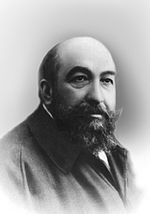

 Date of Birth:
  Place of Birth: Bucharest
About Alexandru Slătineanu
- Alexandru Slatineanu (January 5, 1873 – November 27, 1939) was a Romanian bacteriologist, civil servant, and art collector.
- From an aristocratic and intellectual background, he embraced socialism while studying in Paris in the 1890s, becoming a lifelong associate of the socialist physician Ioan Cantacuzino.
- Slatineanu served his country in the Second Balkan War and World War I, creating a medical infrastructure designed to combat cholera and typhus, and improving immunology research.
- His laboratory continued to set the national standard in the field of bacteriology during the interwar years. From 1923 to 1926, Slatineanu was rector of the University of Ia?i, where he fought against antisemitism and curbed attempts at imposing racial segregation.
- He managed a private clinic and a rural sanitarium, seconded Cantacuzino at the Health Ministry, and set up a model village in Tome?ti.
- His large collection of decorative art and manuscripts was opened as a private museum after his death.
- Managed and enriched by his son, Barbu Slatineanu, it passed into state property during the communist period, when the surviving Slatineanus were exposed to political persecution.
Read more at Wikipedia