Lyle Goodhue, Date of Birth, Place of Birth, Date of Death
TweetLyle Goodhue
American inventor
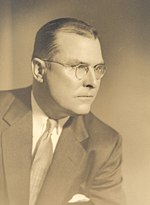

 Date of Birth: 30-Sep-1903
 Place of Birth: Jasper County, Iowa, United States
Date of Death: 18-Sep-1981
Profession: inventor
Zodiac Sign: Libra 
About Lyle Goodhue
- Lyle D.
- Goodhue (September 30, 1903 – September 18, 1981) was an internationally known inventor, research chemist and entomologist, with 105 U.
- S.
- and 25 foreign patents.
- He invented the “aerosol bomb” (also known as the “bug bomb”), which was credited with saving the lives of many thousands of soldiers during World War II by dispensing malaria mosquito-killing liquid insecticides as a mist from small containers.
- The Bug Bomb became especially important to the war effort after the Philippines fell in 1942, when it was reported that malaria had played a major part in the defeat of American and British forces.
- After the war, this invention gave birth to a new international billion-dollar aerosol industry.
- A broad variety of consumer products ranging from cleaners and paints to hair spray and food have since been packaged in aerosol containers.
- Goodhue's other patents involved insect, bird and animal repellents; herbicides; nematocides; insecticides and other pesticides.
Read more at Wikipedia