Francisc Rainer, Date of Birth, Place of Birth, Date of Death
TweetFrancisc Rainer
Romanian pathologist, physiologist and anthropologist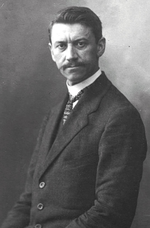

 Date of Birth:
  Place of Birth: Sadhora, Chernivtsi Oblast, Ukraine
About Francisc Rainer
- Francisc Iosif Rainer (December 28, 1874 – August 4, 1944) was an Austro-Hungarian-born Romanian pathologist, physiologist and anthropologist.
- From an immigrant family, he earned early recognition for his experimental work in anatomy, and helped reform Romanian medical science.
- He spent much of his youth training himself in anatomical pathology and the various areas of natural science, gaining direct experience as a microbiologist, surgeon, and military physician.
- With teaching positions at the University of Ia?i and the University of Bucharest, where he established specialized sections, Rainer became a noted promoter of science and an innovator in his field.
- He notably favored and introduced the anatomical study of "functional structures", and was in particular preoccupied with issues pertaining to ontogenesis and kinesiology.
- An intellectual influence on several generations of doctors, his wife was Marta Trancu-Rainer, Romania's first female surgeon. In addition to his experimental approach, Rainer is remembered as a talented pedagogue and public speaker, who took public stances in defense of his social and cultural ideals.
- Vilified by the far-right for his left-wing stances, he blended progressivism with genetic determinism, and, although an adept of eugenics, condemned scientific racism.
- He was notably involved with Dimitrie Gusti's project of rural sociology, contributing an anthropological record of several isolated villages on the Carpathian slopes.
- During his lifetime, Rainer also set up a large collection of craniums and skeletons, which became the centerpiece of his Bucharest anthropology department.
Read more at Wikipedia
See Also
- Famous People's Birthdays on 28 December, Ukraine
- Famous People's Birthdays in December, Ukraine
- Famous People's Birthdays on 28 December, Romania
- Famous People's Birthdays in December, Romania
- Famous physiologist's Birthdays on 28 December, Ukraine
- Famous physiologist's Birthdays in December, Ukraine
- Famous pathologist's Birthdays on 28 December, Ukraine
- Famous pathologist's Birthdays in December, Ukraine
- Famous anthropologist's Birthdays on 28 December, Ukraine
- Famous anthropologist's Birthdays in December, Ukraine
- Famous anatomist's Birthdays on 28 December, Ukraine
- Famous anatomist's Birthdays in December, Ukraine
- Famous diarist's Birthdays on 28 December, Ukraine
- Famous diarist's Birthdays in December, Ukraine
- Famous physiologist's Birthdays on 28 December, Romania
- Famous physiologist's Birthdays in December, Romania
- Famous pathologist's Birthdays on 28 December, Romania
- Famous pathologist's Birthdays in December, Romania