William Pūnohu White, Date of Birth, Place of Birth, Date of Death
TweetWilliam Pūnohu White
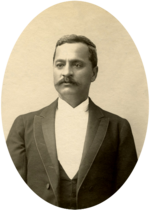

 Date of Birth: 06-Aug-1851
 Place of Birth: Lahaina, Hawaii, United States
Date of Death: 02-Nov-1925
Profession: lawyer, politician, editor, newspaper editor
Zodiac Sign: Leo 
About William Pūnohu White
- William Punohu?aweoweo?ulaokalani White (Hawaiian pronunciation: [pu?nohu??a?weoa?weo??ul?ok?'l?ni]; August 6, 1851 – November 2, 1925) was a Hawaiian lawyer, sheriff, politician, and newspaper editor.
- He became a political statesman and orator during the final years of the Kingdom of Hawaii and the beginnings of the Territory of Hawaii.
- Despite being a leading Native Hawaiian politician in this era, his legacy has been largely forgotten or portrayed in a negative light, mainly because of a reliance on English-language sources to write Hawaiian history.
- He was known by the nickname of "Pila Aila" or "Bila Aila" (translated as Oily Bill) for his oratory skills.Born in Lahaina, Maui, of mixed Native Hawaiian and English descent, White was descended from Kaiakea, a legendary orator for King Kamehameha I.
- Representing Lahaina in the legislative assemblies of 1890 and 1892, he became a political leader for the Liberal faction in the government and established himself as a leader in the opposition to the unpopular Bayonet Constitution of 1887.
- Throughout the terms of both legislatures, White led attempts to pass bills calling for a constitutional convention.
- He was criticized by the missionary Reform party for his support of the controversial lottery and opium bills.
- He and Joseph Nawahi co-authored the proposed 1893 Constitution with Queen Lili?uokalani.
- They were decorated Knight Commanders of the Royal Order of Kalakaua for their service and contribution to the monarchy.
- When an attempt by the queen to promulgate this constitution failed on January 14, 1893, White's opponents falsely alleged he had tried to incite the people to storm ?Iolani Palace and harm the queen and her ministers.
- White denied these charges and threatened to sue the newspapers.
- Three days after the attempted promulgation, the queen was deposed in a coup during the overthrow of the Kingdom of Hawaii on January 17, 1893. During the Provisional Government of Hawaii and the Republic of Hawaii that followed it, he remained loyal to the monarchy.
- Returning to Lahaina, he helped organize native resistance on Maui and was arrested for running out a pro-annexationist pastor at Waine?e Church.
- He was elected in 1896 as honorary president of the Hui Aloha ?Aina (Hawaiian Patriotic League), a patriotic organization established after the overthrow to oppose annexation.
- In 1897 he became an editor of the short-lived anti-annexationist newspaper Ke Ahailono o Hawaii (translated as The Hawaiian Herald) run by members of the Hui Kalai?aina (Hawaiian Political Association).
- Following the annexation of Hawaii to the United States, he was elected as a senator of the first Hawaiian Territorial legislature of 1901 for the Home Rule Party.
- Afterward, his political fortune declined with the party and his many attempts to win re-elections from 1902 to 1914 ended in defeats, although he was successfully elected the first Sheriff of Maui County for a brief period before his election was declared void due to inconsistencies in the 1903 County Act.
Read more at Wikipedia
See Also
- Famous People's Birthdays on 06 August, United States
- Famous People's Birthdays in August, United States
- Famous lawyer's Birthdays on 06 August, United States
- Famous lawyer's Birthdays in August, United States
- Famous politician's Birthdays on 06 August, United States
- Famous politician's Birthdays in August, United States
- Famous editor's Birthdays on 06 August, United States
- Famous editor's Birthdays in August, United States
- Famous newspaper editor's Birthdays on 06 August, United States
- Famous newspaper editor's Birthdays in August, United States