Paulette Nardal, Date of Birth, Place of Birth, Date of Death
TweetPaulette Nardal
French journalist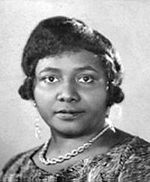

 Date of Birth:
  Place of Birth: Saint-Pierre, Martinique, France
About Paulette Nardal
- Paulette Nardal (12 October 1896 – 16 February 1985) was an Afro-Martiniquais writer and journalist and one of the drivers of the development of a black literary consciousness.
- She was one of the authors involved in the creation of the Négritude genre and introduced French intellectuals to the works of members of the Harlem Renaissance through her translations. Born into the upper-middle class on Martinique, Nardal became a teacher and went to complete her education in Paris.
- She was the first black person to study at the Sorbonne and established an influential literary Clamart Salon with her sisters which explored the experiences of the African diaspora.
- As a journalist and author, she published works which advocated a Pan-African awareness and acknowledged the similarities of challenges faced by people due to racism and sexism.
- Though an ardent feminist, she was not radical, encouraging women to work within the existing social structures to achieve political influence. At the beginning of World War II, Nardal fled France, but was injured when a submarine attacked her ship, causing a lifelong disability.
- Returning to Martinique, she established feminist organizations and newspapers encouraging educated women to channel their energies into social improvement.
- She sponsored home economic training and founded nursery schools for impoverished women.
- Because of her understanding of issues facing the populations of the Caribbean, she was hired to work as an area specialist at the United Nations.
- Nardal was the first black woman to hold an official post in the Division of Non-Self-Governing Territories at the UN. When she returned to Martinique after her UN position, she worked to preserve the music traditions of the country.
- She wrote a history of traditional music styles for the centennial celebration of the abolition of slavery on the island and developed a choir which celebrated the African-roots of the music of Martinique.
Read more at Wikipedia