Agnes E. Meyer, Date of Birth, Place of Birth, Date of Death
TweetAgnes E. Meyer
American journalist
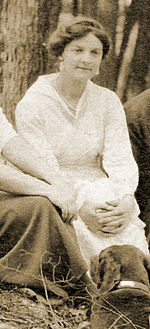

 Date of Birth: 02-Jan-1887
 Place of Birth: New York City, New York, United States
Date of Death: 01-Sep-1970
Profession: journalist, political activist, activist
Nationality: United States
Zodiac Sign: Capricorn 
About Agnes E. Meyer
- Agnes Elizabeth Ernst Meyer (née Ernst; January 2, 1887 – September 1, 1970) was an American journalist, philanthropist, civil rights activist, and art patron.
- Throughout her life, Meyer was engaged with intellectuals, artists, and writers from around the world.
- Meyer's marriage to the financier Eugene Meyer, son of Marc Eugene Meyer, provided her with wealth and status that enabled her to influence national policy, such as social welfare programs.
- Meyer lobbied for the creation of the Department of Health, Education and Welfare and for the U.S.
- government to provide federal aid to states for education.
- President Lyndon Johnson credited Meyer for building public support for the Elementary and Secondary Education Act of 1965, which for the first time directed federal assistance towards school districts that served children from low-income families.
- She advocated for equal employment and educational opportunities, regardless of race.
- Meyer's investigative journalism showed the inequities of racial segregation in schools in the Washington metropolitan area.The purchase of The Washington Post in 1933 gave Meyer and her family the capacity to affect American opinion for several generations.
- Daughter Katharine Graham led the newspaper during the coverage of Watergate Investigation that eventually led to the resignation of President Richard Nixon and earned the paper a Pulitzer Prize.
- During Senator Joseph McCarthy's anti-Communist campaign in the 1950s, Meyer delivered speeches that characterized the campaign as a threat to academic freedom.Meyer was an active patron and supporter of the arts, who with her husband contributed paintings by Paul Cézanne and Edouard Manet, sculptures by Constantin Brâncu?i, and watercolors by John Marin to the National Gallery of Art in Washington.
Read more at Wikipedia
See Also
- Famous People's Birthdays on 02 January, United States
- Famous People's Birthdays in January, United States
- Famous journalist's Birthdays on 02 January, United States
- Famous journalist's Birthdays in January, United States
- Famous political activist's Birthdays on 02 January, United States
- Famous political activist's Birthdays in January, United States
- Famous activist's Birthdays on 02 January, United States
- Famous activist's Birthdays in January, United States
Image Author, Source and License
Author:
Source: Smithsonian Institution Flickr
License: PD US
More Details
Unknown Unidentified photographer
Source: Smithsonian Institution Flickr


License: PD US
More Details