Hermann Biggs, Date of Birth, Place of Birth, Date of Death
TweetHermann Biggs
American physician
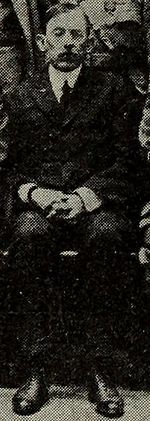

 Date of Birth: 29-Sep-1859
 Place of Birth: Trumansburg, New York, United States
Date of Death: 28-Jun-1923
Profession: physician
Nationality: United States
Zodiac Sign: Libra 
About Hermann Biggs
- Hermann Michael Biggs (September 29, 1859 – June 28, 1923) was an American physician and pioneer in the field of public health who helped apply the science of bacteriology to the prevention and control of infectious diseases.
- He was born in Trumansburg, New York. Educated at Cornell University and Bellevue Hospital Medical College, he became lecturer and professor of pathological anatomy in the latter institution in 1885.
- From 1892 to 1901 he was pathologist and director of the bacteriological laboratories and thereafter was general medical officer of the New York Department of Health.
- In 1897 he was appointed professor of therapeutics and clinical medicine, and in 1907 associate professor of medicine in the University and Bellevue Hospital Medical College.
- In addition to his other duties he assumed the directorship of the Rockefeller Institute for Medical Research, upon its organization in 1901. Impressed by what Lillian Wald’s public health nurses were able to achieve in reducing school absenteeism due to communicable diseases that could be treated at home, Biggs, who was responsible for New York City's health employed nine nurses in Manhattan – the first school nurses to be employed in any city in the United States.
- This led to his adding public health nursing to the municipal machinery for the control of tuberculosis.
- In 1913 he was chief of a board of experts appointed to make an investigation of health conditions in New York State, and in 1914 he became State Commissioner of Health for New York.
- He was appointed medical director of the General League of Red Cross Societies at Geneva in 1920 and was knighted by the King of Spain for services in preventive medicine.
- His publications include The Administrative Control of Tuberculosis (1904) and An Ideal Health Department, with C.
- E.
- A.
- Winslow (1913). In the early years of broadcasting, Biggs was among the first medical experts to have a radio program.
- He broadcast over station WGY in Schenectady NY on Friday nights during much of 1922, discussing common diseases and illnesses.
Read more at Wikipedia