William Montgomery (Pennsylvania), Date of Birth, Date of Death
TweetWilliam Montgomery (Pennsylvania)
American jurist and politician from Pennsylvania
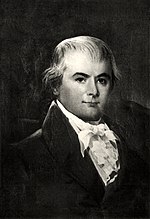

 Date of Birth: 03-Aug-1736
Date of Death: 01-May-1816
Profession: judge, politician
Nationality: United States
Zodiac Sign: Leo 
About William Montgomery (Pennsylvania)
- William Montgomery (August 3, 1736 – May 1, 1816) was a colonial-American patriot, pioneer, soldier, public servant, and abolitionist. As a revolutionary patriot, he helped the Province of Pennsylvania declare independence from the British Empire, establish the Commonwealth of Pennsylvania, and save the American Revolution during the Ten Crucial Days.
- As a soldier, he served a total of 34 years, including 14 years as major general and division commander.
- As a public servant, he was elected or appointed to 16 different offices, including the Continental Congress, Pennsylvania Congress, and United States Congress, and co-authorized the creation of the United States Navy's first six frigates.
- As an abolitionist, he helped pass: a resolution to prohibit the future import of slaves into the Province of Pennsylvania in 1775, An Act for the Gradual Abolition of Slavery (the first law adopted by a democracy to end slavery in world history) in 1780, and the Slave Trade Act in 1794.
- He was one of seven congressman who voted against the Fugitive Slave Act in 1793.
- As a pioneer he founded "Montgomery's Landing", later named Danville, Pennsylvania after his son, Daniel Montgomery.
Read more at Wikipedia
See Also
- Famous People's Birthdays on 03 August, United States
- Famous People's Birthdays in August, United States
- Famous judge's Birthdays on 03 August, United States
- Famous judge's Birthdays in August, United States
- Famous politician's Birthdays on 03 August, United States
- Famous politician's Birthdays in August, United States