Richard A. Clarke, Date of Birth, Place of Birth
TweetRichard A. Clarke
American counter-terrorism expert; former National Coordinator for Security, Infrastructure Protection and Counter-terrorism for the United States
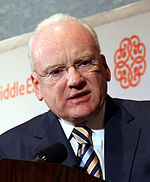

 Date of Birth: 27-Oct-1950
 Place of Birth: Dorchester, Massachusetts, United States
Profession: politician, official
Nationality: United States
Zodiac Sign: Scorpio 
About Richard A. Clarke
- Richard Alan Clarke (born October 27, 1950) is an American former government official.
- He was National Coordinator for Security, Infrastructure Protection, and Counter-terrorism for the United States between 1998 and 2003. Clarke worked for the State Department during the presidency of Ronald Reagan.
- In 1992, President George H.W.
- Bush appointed him to chair the Counter-terrorism Security Group and to a seat on the United States National Security Council.
- President Bill Clinton retained Clarke and in 1998 promoted him to be the National Coordinator for Security, Infrastructure Protection, and Counter-terrorism, the chief counter-terrorism adviser on the National Security Council.
- Under President George W.
- Bush, Clarke initially continued in the same position but no longer had Cabinet-level access.
- He later was appointed as the Special Advisor to the President on cybersecurity.
- Clarke left the Bush administration in 2003. Clarke came to widespread public attention for his counter-terrorism role in March 2004: he published a memoir about his service in government, Against All Enemies, appeared on the 60 Minutes television news magazine, and testified before the 9/11 Commission.
- In all three cases, Clarke sharply criticized the Bush administration's attitude toward counter-terrorism before the 9/11 terrorist attacks, and its decision afterward to wage war and invade Iraq.
- Clarke was criticized by some supporters of the Bush decisions. After leaving U.S.
- government, Clarke helped the United Arab Emirates to set up a cyber surveillance unit.
- Intended to pursue extremists, the program was also used to surveil women's rights activist, UN diplomats and FIFA officials.
Read more at Wikipedia
See Also
- Famous People's Birthdays on 27 October, United States
- Famous People's Birthdays in October, United States
- Famous politician's Birthdays on 27 October, United States
- Famous politician's Birthdays in October, United States
- Famous official's Birthdays on 27 October, United States
- Famous official's Birthdays in October, United States