Charles E. Barber, Date of Birth, Place of Birth, Date of Death
TweetCharles E. Barber
American engraver
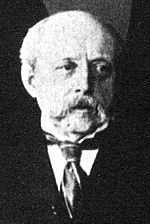

 Date of Birth: 16-Nov-1840
 Place of Birth: London
Date of Death: 18-Feb-1917
Profession: engraver
Nationality: United States
Zodiac Sign: Scorpio 
About Charles E. Barber
- Charles Edward Barber (November 16, 1840 – February 18, 1917) was the sixth chief engraver of the United States Mint from 1879 until his death in 1917.
- He had a long and fruitful career in coinage, designing most of the coins produced at the mint during his time as chief engraver.
- He did full coin designs, and he designed about 30 medals in his lifetime.
- The Barber coinage were named after him.
- In addition, Barber designed a number of commemorative coins, some in partnership with assistant engraver George T.
- Morgan.
- For the popular Colombian half dollar, and the Panama-Pacific half dollar and quarter eagle, Barber designed the obverse and Morgan the reverse.
- Barber also designed the 1883 coins for the Kingdom of Hawaii, and also Cuban coinage of 1915.
- Barber's design on the Cuba 5 centavo coin remained in use until 1961. While much has been written about Barber being disagreeable and even hostile to Morgan, this has recently been conclusively disproved, with concrete evidence that the two had a warm personal relationship.
- This of course, makes perfect sense, as the two worked closely together for over 40 years.Again, contrary to what many people believe, Barber also had a warm personal relationship with President Theodore Roosevelt.
- While it is true that Roosevelt wanted U.S.
- coinage in the new century to have a more modern look, and also solicited designs from artists outside the U.S.
- Mint, this does not mean that he had a personal dislike of the man.
- The descendants of Charles Barber possess artifacts that prove a warm personal relationship existed.At the request of President Roosevelt and Mint director George E.
- Roberts, Barber made a trip to Europe to visit a number of foreign mints on an information-sharing mission.
- His goal was to observe and discuss the practices at the foreign mints to look for ways to improve operations and efficiency at the U.S.
- Mint.
- He combined this trip with a family vacation with his second wife Caroline and his 19-year-old daughter Edith.
- Barber carried with him memos from various departments within the mint with questions to ask their counterparts overseas.
- These memos, some of which today have Barber's hand-written notes, correspond to the various reports he submitted to Mint director Roberts after his return (these reports are in the National Archives).
- Edith's diary from the trip provide details on their itinerary and personal reflections on her father.Barber was known to be a meticulous professional.
- While different people have varying opinions about the artistic merits of his designs, it is indisputable that his coin designs hold up to years of heavy use and wear.
- This is one reason that so many Barber coins exist in such low grades—they were real workhorses in the U.S.
- economy and were routinely found in circulation until the 1950s. In the end, Charles Barber was well liked and respected within the Treasury Department and the U.S.
- Mint.
- As evidence of this fact, the flags at the Philadelphia Mint were lowered to half staff on the day of his funeral.
- Roger Burdette provided a scan from the National Archives of the letter from Mint director F.
- H.
- von Engelken requesting permission to half-mast the flags.
- Charles E.
- Barber is the last mint official of any rank to have had this high honor bestowed upon him.
Read more at Wikipedia